Blur Analysis: Research, visual culture, and the digital
A symposium about research using digital tools, and against research as a tool of the digital
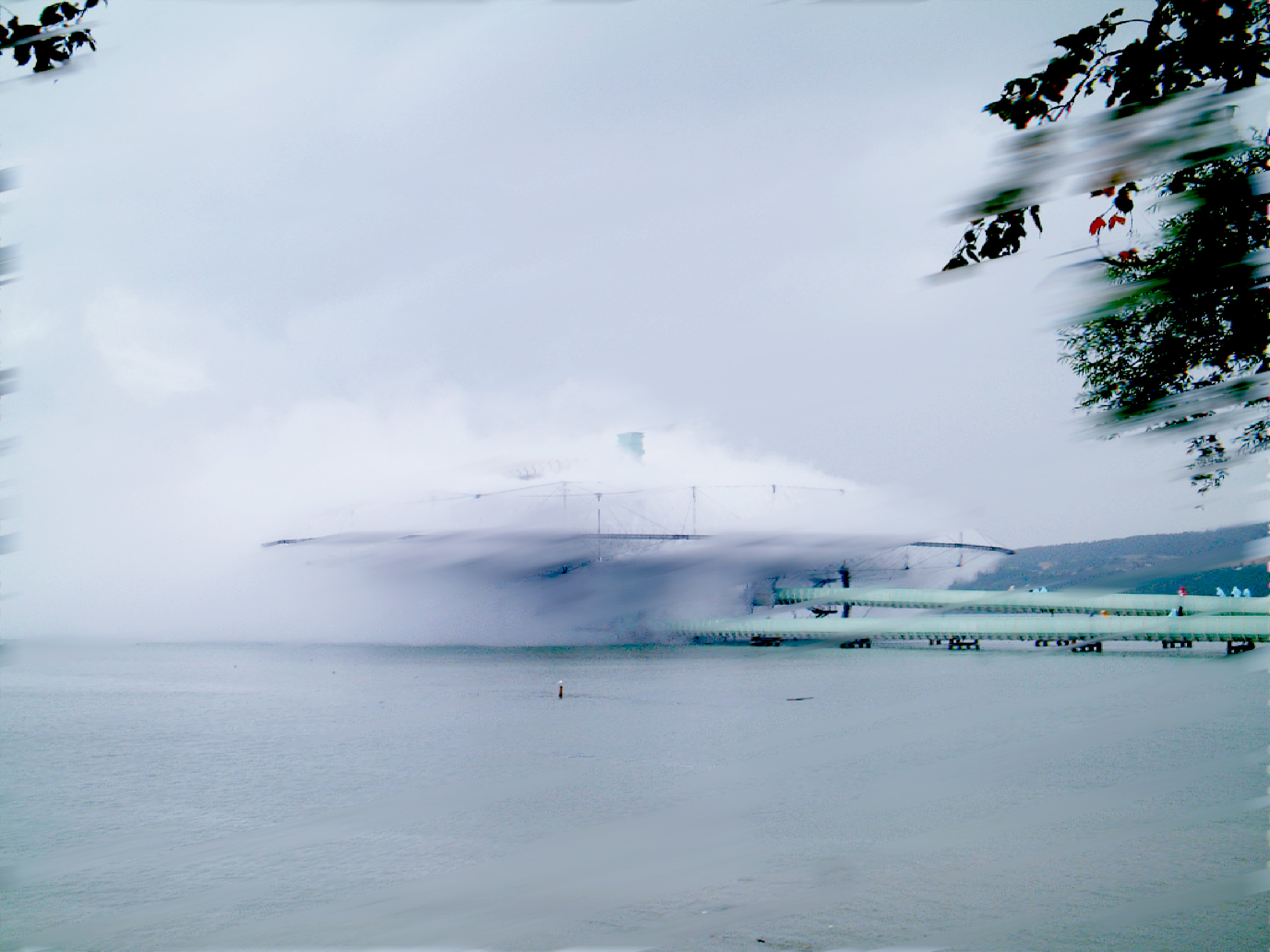
Diller + Scofidio, Blur Building, Yverdon-les-Bains, Switzerland, 1998-2003. Photograph by Norbert Aepli, Switzerland, edited and used under the Creative Commons Attribution 2.5 Generic license.
How are new digital technologies changing research in art and visual culture? How might these changes productively blur ossified patterns of thought, or disciplinary limits? And how might we use these technologies to analyse the blur itself?
These questions are central to the Power Institute's new digital publishing initiative, and its two new digital publications, The Womanifesto Way and Site and Space in Southeast Asia. To launch this new initiative, the Power Institute has assembled a group of scholars to investigate these questions from a range of perspectives--from the history of digital art to new practices of data analysis, and from studies of architectural history to logistics and infrastructures.
This symposium ask its participants (and audience) to grapple with the opposing forces of the digital world: on the one hand it offers exciting and creative new ways to do research and find audiences and, on the other, there is a rising anxiety about the invasion of slop, marketing hype, and the destructive practices of the neoliberal tech sector.
Beginning with a provocation from visiting scholar Professor Paul B. Jaskot, speakers will discuss practice-led and creative methods for digital research such as mapping, hacking, experimenting, and prototyping. They will address how we can better sustain, conserve and manage born-digital art and research projects. And, also consider how we can use these tools and creative practices to turn a critical eye on the digital world itself.
Morning Session
10:00 - 11:00am Opening provocation
Paul B. Jaskot, with a response by Katrina Grant
The day's proceedings will begin with a short provocation from art and architecture historian Paul B. Jaskot, addressing the current state of digital research in art and visual culture. Paul will return to a question first raised in his 2019 article "Digital Art History as the Social History of Art": "Can we have a critical art history using digital methods?"
11:00 - 12:30pm Workshop: How to play a dataset?
Machine Listening (James Parker)
Datasets are central to the functioning of power and knowledge today. Yet what are they, and how can they be critically examined? A dataset is many things: it is primary data and metadata, the code that processes it, the spreadsheets that organise it, and the papers that cite it. It is also the communities who interpret and repurpose it. In this workshop, Machine Listening’s James Parker will discuss techniques the art/research collective have recently developed to play datasets, rendering them newly visible, legible, and open to critical interrogation.
12:30 - 1:30pm Lunch
Afternoon Session
Digital Practices: Making, Critiquing, Adapting, and Sustaining
The digital realm is constantly in flux. Research practices need to be developed and adapted at a rapid pace, often while encountering resistance to change or having change forced upon us by software and technology companies. We have to learn new tools, infrastructures and how to work in new domains and new disciplines. These panels include researchers from a range of backgrounds and disciplines to consider the role of practices, adaptability, critique, conservation, and resistance in our engagement with digital media.
1:30 - 2:30pm Panel 1: Histories of art, infrastructures and logistics
Margie Borschke & Ian Andrews / Brett Neilson & Ned Rossiter
2:30 - 3:00pm Afternoon tea
3:00 - 4:00pm Panel 2: Virtual heritage
Asti Sherring / Andrew Yip
4:00 - 5:00pm Panel 3: Digital publishing
Yvonne Low / Adrian Vickers
This final panel will discuss aspects of the Power Institute's two new digital publications, The Womanifesto Way and Site and Space in Southeast Asia.
People
Ian Andrews
Ian Andrews is a Sydney based media artist, theorist and academic working with generative sound, video and text in installation formats in order to explore questions relating to utopia and modernism, technologies and the post-human. Areas of research interest include aesthetics, philosophy, poetry, sound, media and film theory and contemporary art. Andrews has exhibited his works in various international film and video festivals including festivals in Edinburgh, Rotterdam, Hong Kong, Naples, Catania, Amsterdam, Berlin and Wellington, in addition to numerous events and exhibitions throughout Australia. He has spoken about and presented his work at various exhibitions and conferences, both nationally and internationally. He has a strong interest in chance and conceptual process-based art practices. He is the author of Chance, Phenomenology and Aesthetics: Heidegger, Derrida and Contingency in Twentieth-Century Art, published by Bloomsbury in 2021. Currently he is working with LIEF: The Australian Emulation Network phase 2, to stabilise, emulate and document digital born media artworks from the 1980s to the early 2000s.
Margie Borschke
Dr Margie Borschke is an academic researcher, writer and media educator at the University of Sydney. She is the author of This is not a remix: piracy, authenticity and popular music (Bloomsbury 2017) and many other articles and chapters on the intersection of culture and technology. Copying, circulation/distribution, and collecting as cultural practices are the focus of her work. She is a Chief Investigator on The Australian Emulation Network Phase 2 - Extending the Reach, a two-year ARC-funded Linkage, Infrastructure, Equipment and Facilities project.
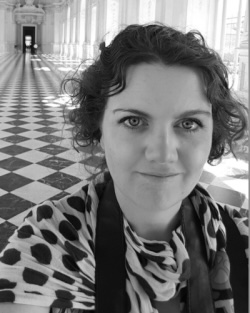
Katrina Grant
Dr Katrina Grant is a Research Fellow in Visual Understanding at the Power Institute for Arts and Visual Culture.
Her research is based in the fields of Digital Art History, Digital Humanities and the art history of early modern Italy. Recent projects include a focus on the application of visualisation and mapping technologies to art history research, as well as the use of digital technologies in the galleries and museums sector for outreach and engagement. She is an expert on the representation of landscape in early modern Italy and the visual cultures performance and spectacle. Her recent book Landscape and the Arts in Early Modern Italy: Theatre, Gardens and Visual Culture was published by Amsterdam University Press (2022).
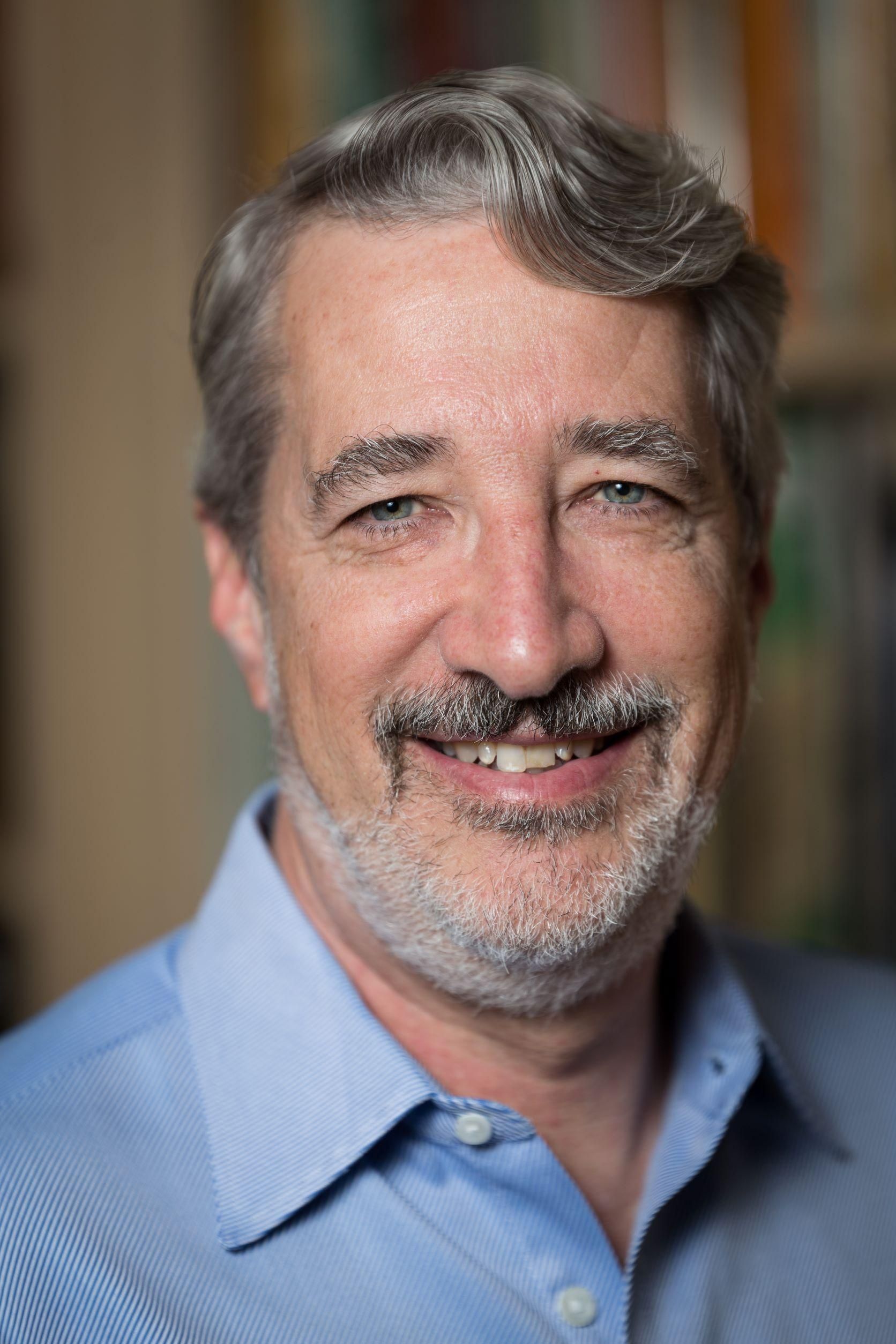
Paul B. Jaskot
Paul B. Jaskot is the France Family Distinguished Professor of Art, Art History & Visual Studies at Duke University, as well as the Director of the University's Digital Art History & Visual Culture Research Lab. His scholarship focuses on National Socialist cultural policy and its postwar impact. His books include The Architecture of Oppression: SS, Forced Labour, and the Nazi Monumental Building Economy, The Nazi Perpetrator: Postwar German Art and the Politics of the Right, as well as New Approaches to an Integrated History of the Holocaust: Social History, Representation, Theory (co-edited). He is a founding member of the international Holocaust Geographies Collaborative. He was the Andrew W. Mellon Professor in the Centre for Advanced Study in the Visual Arts 2014-16 (National Gallery of Art, Washington, DC) and the Ina Levine Invitational Scholar in the Mandel Centre for Advanced Holocaust Studies 2020-21 (US Holocaust Memorial Museum, Washington, DC).
Machine Listening
Machine Listening is a platform for collaborative research and artistic experimentation, founded in 2020 by Sean Dockray, James Parker and Joel Stern in order to subject automated systems to political and aesthetic scrutiny. The collective works across writing, installation, performance, music, software, curation, pedagogy and radio.
Machine Listening has presented work at major institutions including the Australian Centre for Contemporary Art, Cricoteka Tadeusz Kantor Museum (Kraków), Warsaw Museum of Modern Art, Galerie Nord (Berlin), the National Communication Museum, RMIT Design Hub and MUMA, and has performed at Unsound Festival, Soft Centre, and Melbourne Recital Centre, among others.
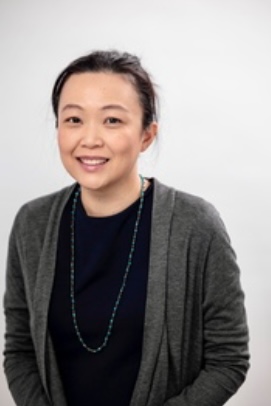
Yvonne Low
Yvonne Low is a senior lecturer at the University of Sydney. She specializes in Asian modernities, gender and sexuality in Asian art, and curatorial practice, teaching across undergraduate and postgraduate programs. Her research recovers marginalized histories in Southeast Asian art and Chinese diaspora cultures, with particular focus on women's practices and artist’s networks. She employs decolonial, feminist, and digital methodologies to challenge canonical art histories and develop new frameworks for studying artists excluded from dominant modernist narratives – including watercolourists, left-aligned practitioners, and those working across amateur-professional boundaries from the colonial period to the present. Since co-convening the inaugural 2017 international symposium on Gender in Southeast Asian Art Histories, she has actively built this interdisciplinary field through multiple channels. She has co-organised three exhibitions on women's art and archives, and serve on the editorial committee of Southeast of Now Journal and advisory boards for major regional initiatives including “The Flow of History: Southeast Asian Women Artists” (AWARE/AAA) and “The Womanifesto Way” (Power Institute, DFAT). Current collaborative projects include a special issue on Feminist Writings in Southeast Asian Art and the Artists Trajectories Map (ArTM), a digital tool advancing comparative research methodologies.
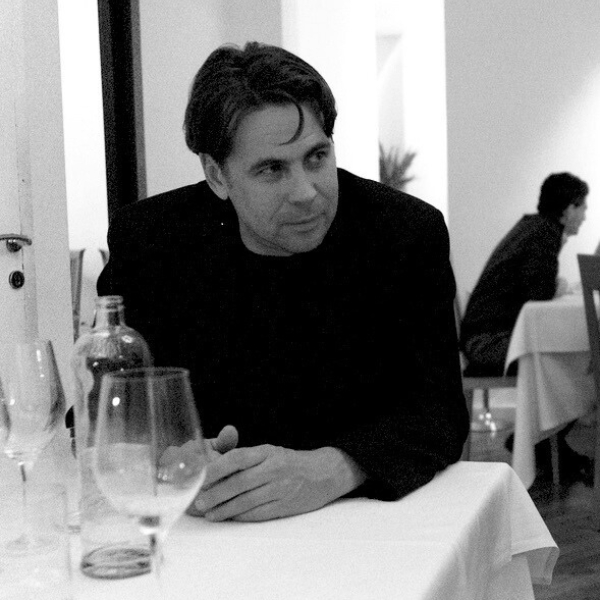
Brett Neilson
Brett Neilson is Professor and Deputy Director at the Institute for Culture and Society, Western Sydney University.
With Sandro Mezzadra, he is author of Border as Method, or, the Multiplication of Labor (Duke University Press, 2013), The Politics of Operations: Excavating Contemporary Capitalism (Duke University Press, 2019) and The Rest and the West: Capital and Power in a Multipolar World (Verso, 2024). Recently, Neilson published a catalogue essay entitled Extractive Operations: Copper and the Photographic Image for the Mining Photography exhibition held at the Museum für Kunst & Gewerbe Hamburg.
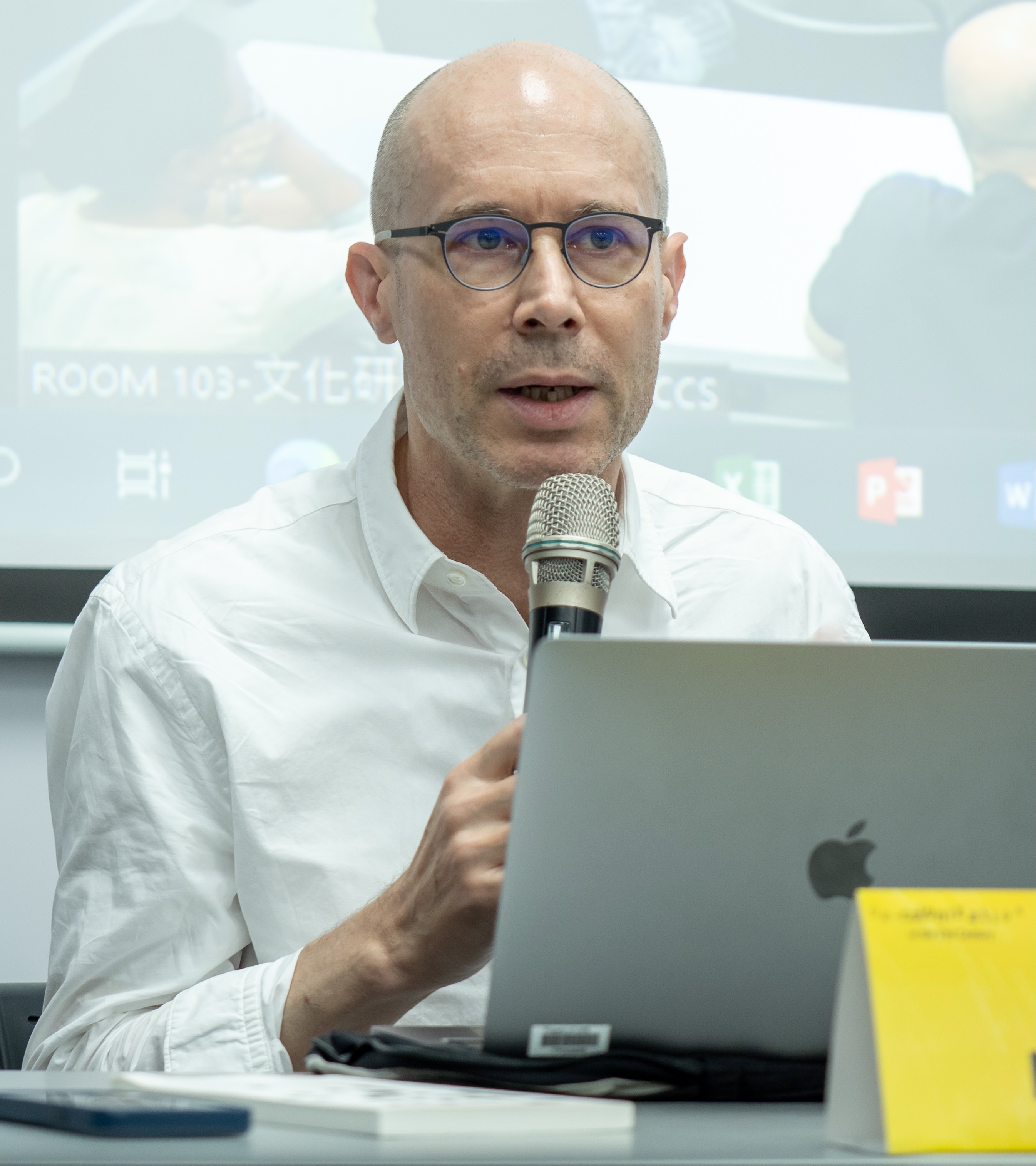
Ned Rossiter
Ned Rossiter is a media theorist noted for his research on network cultures, the politics of cultural labour, logistical media, critical infrastructures, and data politics. Ned is Director of Research at the Institute for Culture and Society and Professor of Communication in the School of Arts, Western Sydney University. He is the author of Organized Networks: Media Theory, Creative Labour, New Institutions (2006), Software, Infrastructure, Labor: A Media Theory of Logistical Nightmares (2016), and (with Geert Lovink) Organization after Social Media (2018). Ned is co-author (with Soenke Zehle) of Entropological Materialism: Ordering Disorder in the Cybernetic Century (Fordham University Press, 2027) and is currently writing a follow-up volume, The Logistical Episteme.
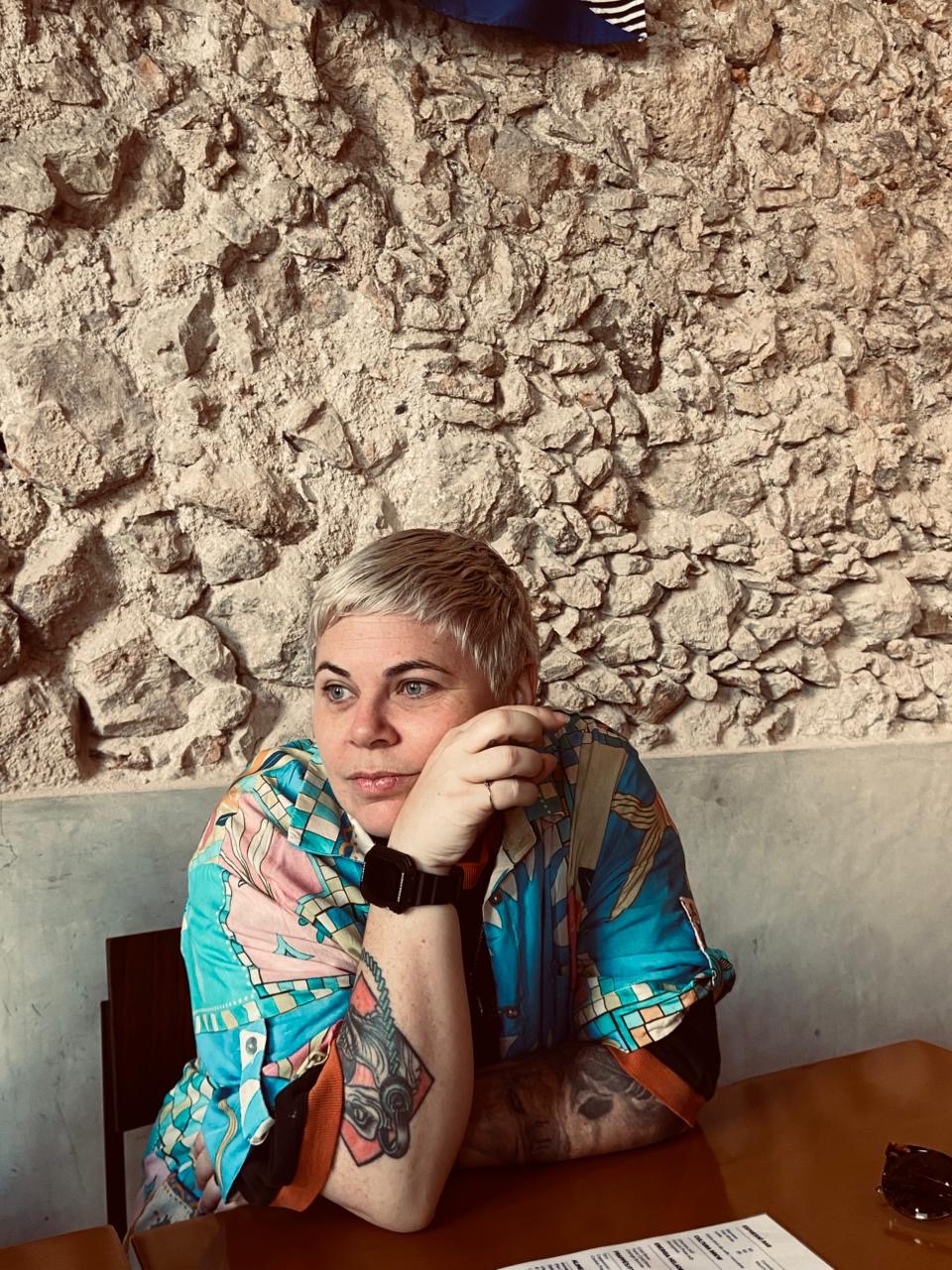
Asti Sherring
Dr Asti Sherring is an early-career scholar and honorary senior lecturer, Humanities Research Centre (Australian National University). She has completed a Bachelor of Media Arts (Honours) from Sydney University and a Masters of Materials Conservation at Melbourne University. Asti is coordinator, Collection Strategy at State Library of NSW. Asti has previously held positions as Time-based media consultant at Museum of New Zealand Te Papa Tongarewa and Senior Time-based art conservator at The Art Gallery of New South Wales and manager of Changeable and Digital Collections at the National Museum of Australia. Asti's practice addresses conservation as an enabler for social and cultural change and participates in global discourses to interrogate materials-based approaches to art and cultural heritage. Her anti-colonial practice investigates the transmission of embodied knowledge systems through data and digital technologies.
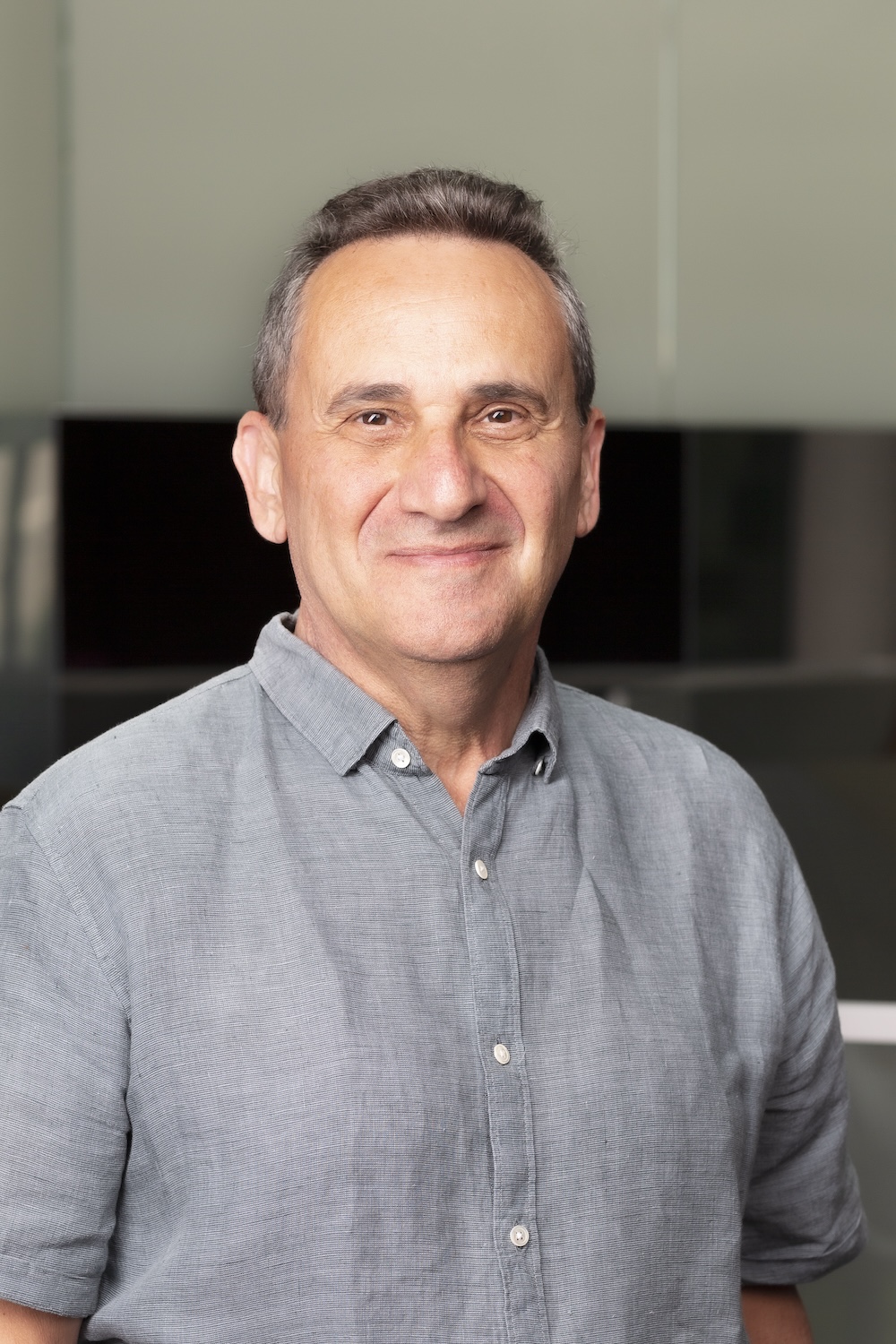
Adrian Vickers
Adrian Vickers is Emeritus Professor at the University of Sydney. His areas of interest include Balinese Art, Modern Indonesian Art and Southeast Asian History. His work on Balinese art includes the DH project Balinese Paintinghttp://www.balipaintings.org/. Professor Vickers was leader of the large project Opening the Multilingual Archive of Australia, which includes a significant DH component, https://omaa-arts.sydney.edu.au/. He was one of the research leaders for the Site and Space in Southeast Asia project.
Andrew Yip
Dr Andrew Yip is an artist, designer and art historian working in immersive visualisation for cultural heritage. Using a range of 3D visualisation technologies, he designs embodied, interactive installations for museums and galleries that engage with themes including heritage conservation, archaeogaming, object reconstruction and historical play. Andrew's work has been exhibited at museums including the Art Gallery of NSW, the Powerhouse Museum, State Library of NSW, South Australian Maritime Museum, SIGGRAPH, the Blue Mountains and Penrith regional galleries and internationally. Andrew is Deputy Director of the 3Dx Lab at the University of New South Wales, Sydney.
Related
Thu, 13 August 2026
6:30PM
Art History and the Cultural Character of War
Paul B. Jaskot