Meet the artists and researchers who will be travelling to Paris in 2027.
We are delighted to announce our four Curtis Artist Fellows and two inaugural Virginia Spate Fellows who will be travelling to Paris in 2027.
Curtis Artist Fellows:
Betty Sargeant
James Nguyen
Joel Sherwood Spring
Ken and Julia Yonetani.
Virginia Spate Fellows:
Will Visconti
Suzannah Henty
The six were selected by an expert panel that included Power Institute Director Professor Mark Ledbury, Professor Daniel Browning, Dr Alex Gawronski, and Associate Professor Donna Brett. This year the panel's task was especially difficult: we experienced a huge swell of interest in the Fellowships, receiving our highest ever number of applications.
Below you can learn more about each of our Fellows, and the projects they have planned for Paris in 2027.
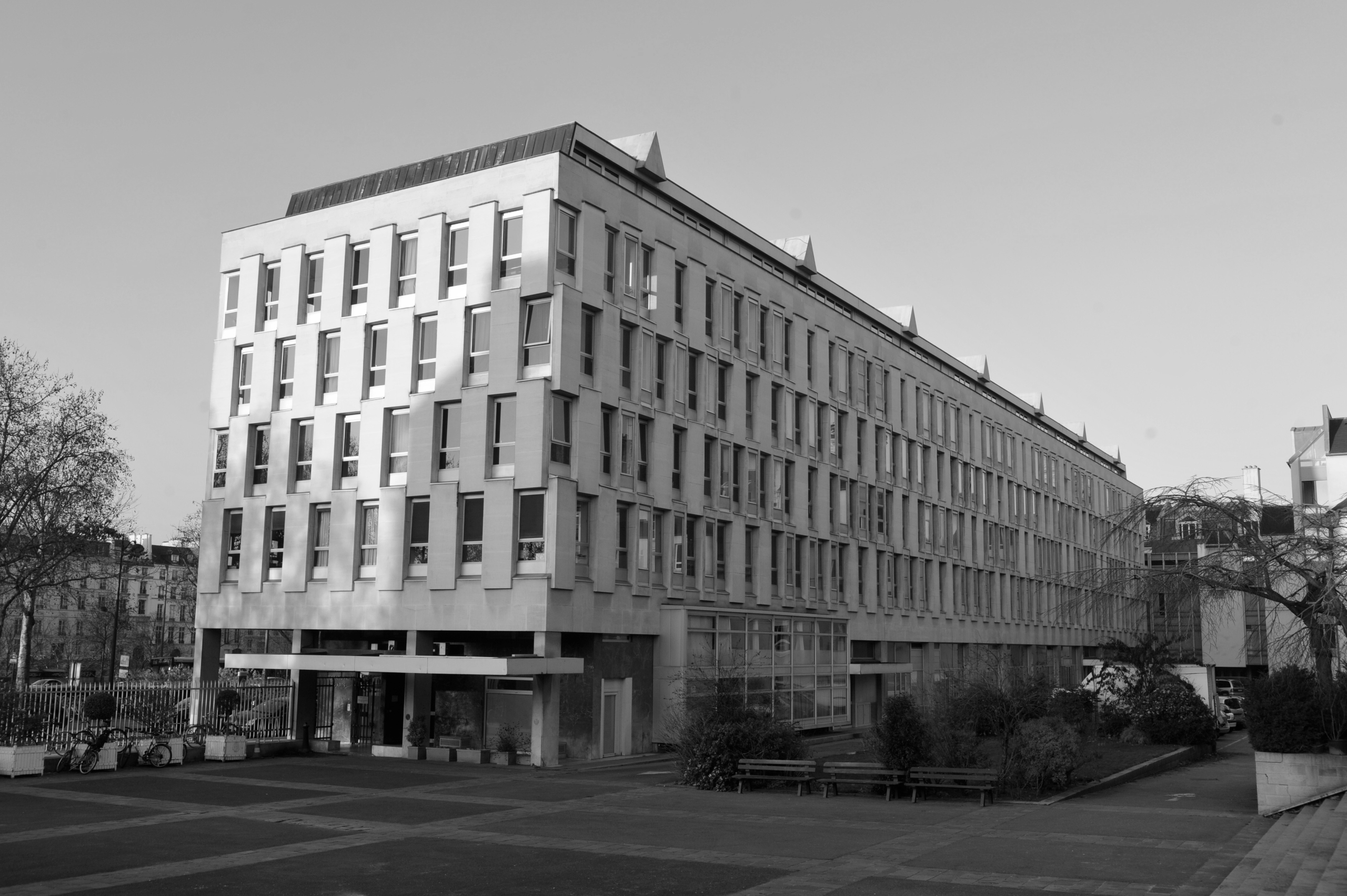
The Power Institute is deeply grateful to Nick and Angela Curtis for their generous philanthropic support of the Nicholas and Angela Curtis Cité Internationale des Arts Residency Fellowships and Virginia Spate Research Fellowships, which provide transformative opportunities for Australian artists and researchers to engage with Paris’s vibrant cultural community.
Learn more about the Paris Residencies
Curtis Artist Fellowship Projects
Betty Sargeant
During her Cité residency Betty will analyse the intersection between early French microscope photographs of plants (biological micrographs) and contemporary visual art. Being in Paris will allow Betty to study the Laure Albin-Guillot archives at three major Parisian institutions, investigating how Albin-Guillot's abstract biological micrographs can inform a new series of large-scale artworks built from light. The Cité residency offers Betty the uninterrupted time to turn historical research into a fully resolved, progressive body of contemporary art, expanding Albin-Guillot’s innovations, and refining her creative practice: transforming micro layers of life into nuanced, sophisticated macro-scale light installations.
James Nguyen
While in Paris, James will research the records of the Institut Pasteur and other medical archives in Paris to develop a short documentary film on the dermatological history of his family. From the impact of Tropical Leper Colonies to the deployment of chemical weapons across Indochina, the work traces the clinical manifestations of skin eruptions that still persists in the artists’ own skin.
The project begins with the artist’s aunt Sœur Hương entering the Franciscan Missionaries of Mary at Quy Hòa, the last remaining Leper Colony in Vietnam. Her commitment to those suffering from leprosy stem from the loss of a family member to the skin arrests ‘da vây’ during the French colonial era in the summer of 1933.
Joel Spring
Joel’s project is an experimental ‘game’ designed in collaboration with Akil Ahamat. Using the roleplaying game form, combining simulation and genre fiction into semi-improvised group storytelling, in which participants generate plot, dialogue and performance together.
'Mining' in its many formulations and the holes produced by mining are the subject and process for this project. What if the stories about the building of our worlds began with who and what is made to disappear in the process?
By folding political metaphor and imagined worlds into gameplay. The game explores what it is to be in, and of the earth: taking seriously how ‘The Earth’ conditions thought and how thoughts form the concepts of ‘worlds’, on and beyond the earth. Because digging is never simple, what comes from below carries an excess that is hard to define, contain or control.
Julia and Ken Yonetani
Ken and Julia Yonetani will undertake research and production for a new work, The Republic of Things. While inspired by the tradition of cabinets of curiosities, the project is also a critique and humorous play upon it, as a historical collection produced in an imaginary future. This is an extension of their previous work, The Ruins of Tomorrow (2024). However, in this new work, the imagined future is not a story of civilization decline, but rather an envisaged utopian society where humans and non-humans have established a state of being in which the divide between nature and society is abolished, as conceived by the French philosopher Bruno Latour in what he termed the “Republic of Things.”
Virginia Spate Research Fellowship Projects
Will Visconti
Will's time in Paris will allow him to continue work on his monograph entitled The Material Culture of Nineteenth-Century Urban Sex Work: A Transnational Study. This project examines how sex workers were at the vanguard of adopting new technologies and influencing material culture in Paris, as a globally-recognised hub of material culture and innovation in design. Comparison to other cities like London and Melbourne, and where they saw Paris as a rival or an inspiration, are also pertinent. Will's project demonstrates sex workers' active participation in shaping culture, challenging assumptions that sex workers were passive consumers or simply copied trends set by urban elites. Its scope encompasses fashion, visual representation through photography and media culture, interiors and architecture, and the engagement with urban space between the Second Empire and First World War.
Suzannah Henty
Suzannah's project sets out to contour the institutional footprint of the Aboriginal Arts Board in Paris between 1973 and 1990, and to trace its legacy in Australian cultural policy abroad today. It will address a current gap in art historical and institutional knowledge by offering to scholarship on Australian art new insights into the radical work of the AAB abroad. Beginning with the Australian Embassy’s collection of twenty-six bark paintings that represent Bininj and Yolŋu artists from Maningrida, Gunbalanya and Yirrkala, this project works outward to trace Indigenous artworks entering public collections in Paris during the years the AAB was active.
People
Betty Sargeant
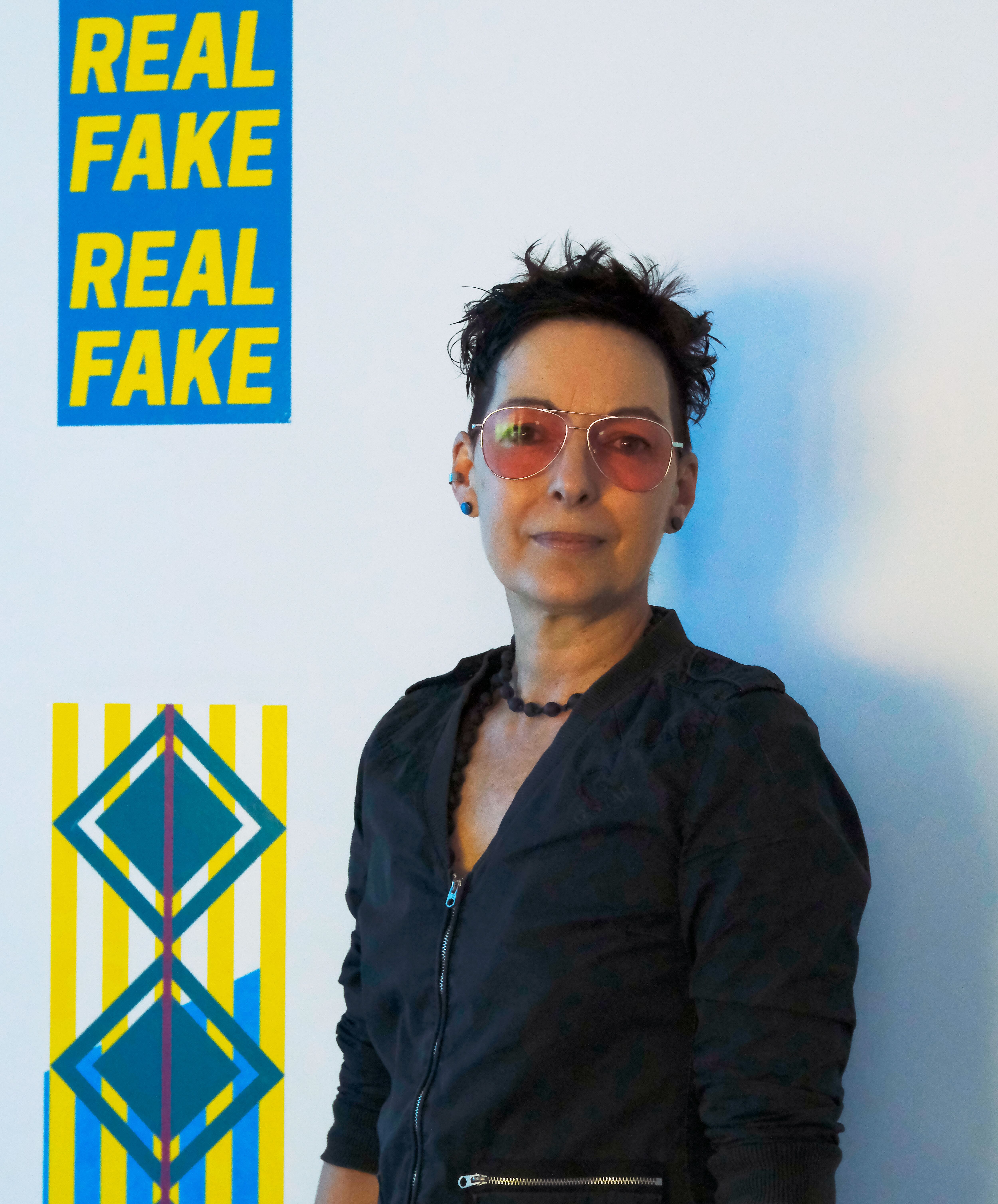
Dr Betty Sargeant (she/they) is an internationally acclaimed media artist whose practice operates at the intersection of art, science and technology. Sargeant's immersive and public artworks have been exhibited at the National Taiwan Museum of Fine Arts, the Karachi Biennale, the Experimenta International Triennial of Media Art, Questacon (Australia's national science and technology museum), Melbourne Museum and the Asia Culture Centre in South Korea, where her work is held in their permanent collection. Sargeant's work sits in seven public collections across Australia and South Korea, and she has received multiple Good Design Awards, a Victorian Premier's Design Award, a Consensus Innovation Award, the Melbourne Knowledge Fellowship and the Rupert Bunny Foundation Visual Art Fellowship. In 2019 Sargeant represented Australia in a federal government cultural delegation through the Department of Foreign Affairs and Trade, helping form new global creative partnerships and collaborations. Dr Sargeant holds a PhD in Creative Media from RMIT University, and she lives in Naarm, Melbourne.
James Nguyen
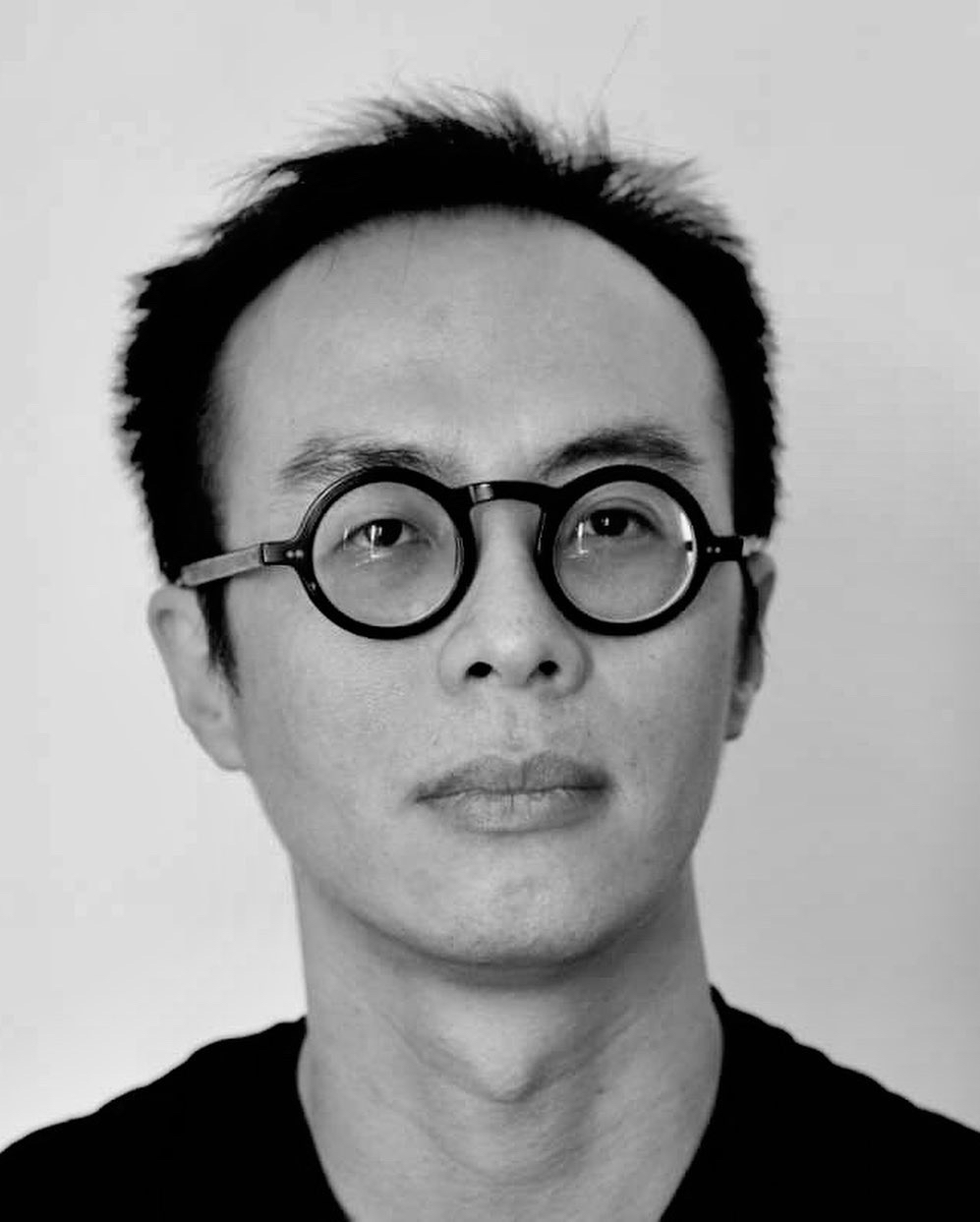
James Nguyen (he/him) was born in Bảo Lộc, Việt Nam. He currently writes and makes art in Murrumbeena, Naarm. His multiform work is concerned with the contradictions of translation, decolonial revenge and finding intimacy in fragmented worlds.
Nguyens’ ground-breaking projects have been presented at the Guangzhou Academy of Fine Arts, ACCA, the Sydney Opera House, MCA Australia, IMA and NOWNESS Asia among others. Nguyen was also selected as an ABC Top5 Researcher for the Arts and received the UNSW Dean’s Award for his PhD, later published into the book ‘Làm Chó Bò/Making Trouble’ by Discipline.

Joel Spring
Joel Spring is a Wiradjuri interdisciplinary artist, based in Sydney/Gadigal/Wangal lands, working collaboratively on projects that examine ways of seeing Country through technology and desires for Indigeneity. His current work confronts and channels both the desire for land and minerals at the core of our national identity and what today appear as progressive identity formations.
Exploring the potential of Indigenous materialist readings of art and architecture towards repatriation, reparation, and return of land, Joel is learning how to employ art making, exhibition making, publishing and pedagogy within what is recognised as black or Indigenous studies.
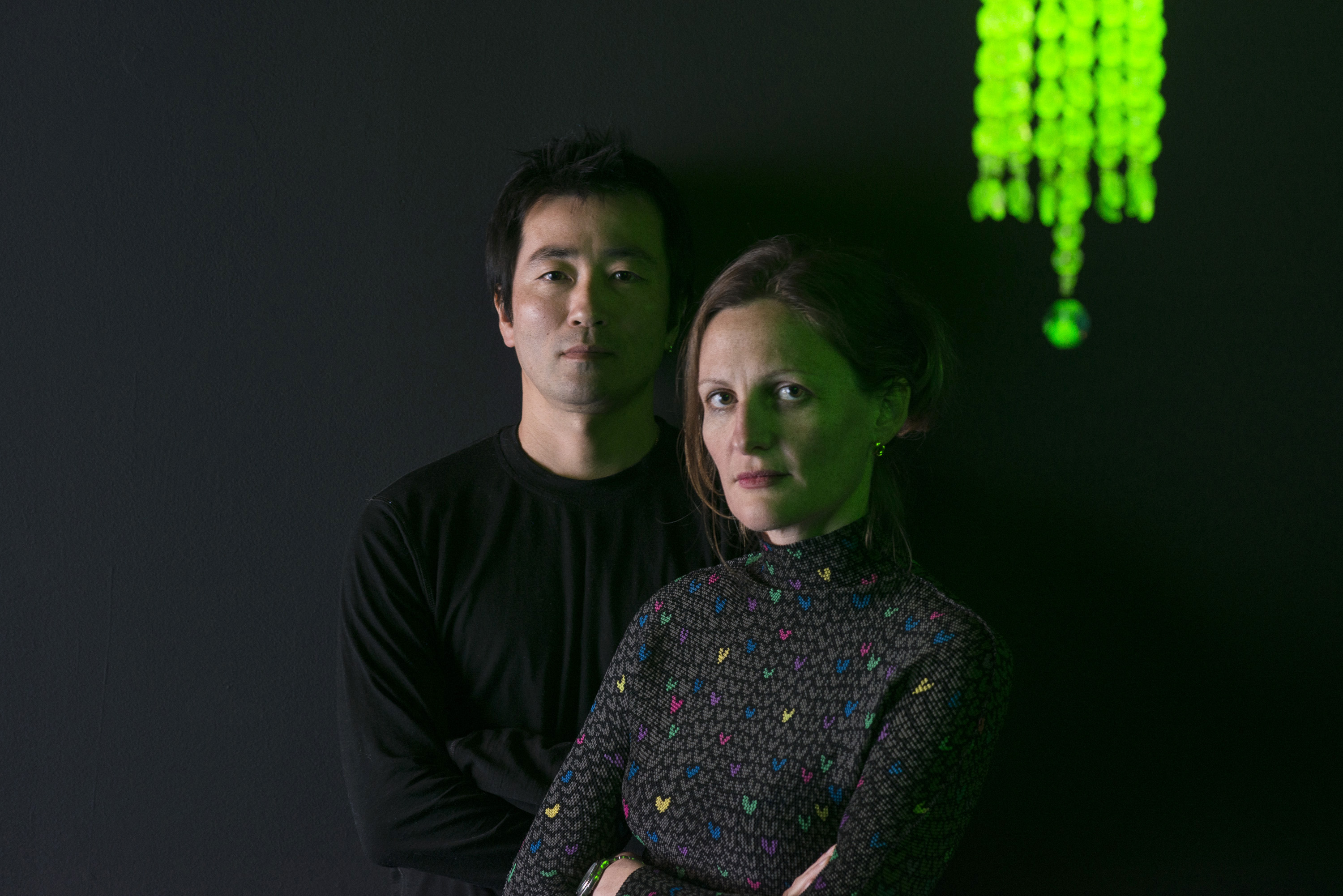
Ken and Julia Yonetani
Ken + Julia Yonetani are an Australian-Japanese artist duo. Their installations are often monumental, immersive experiences. Their work has gained international attention for its combination of unusual materials and dramatic beauty, and for touching on contemporary environmental and social issues in a way that is interactive, engaging and visually stunning. They have exhibited in Europe, North America, Asia, and Australia, including as part of the Australian representation for the Venice Biennale of Art (2009). They have had solo exhibitions at venues such as the National Gallery of Australia (2015) and Mori Art Museum Collection Tokyo (2019), and held a major survey show in Japan at the newly constructed Kadokawa Culture Museum in 2021-2. Recent exhibitions include Matsumoto Art and Architecture Festival Japan (2024), Gyeonggi Ceramics Biennale Korea (2024), and Matsu Bienniale Taiwan (2025). Both have unusual career paths, Ken was originally a foreign exchange broker and Julia a lecturer in History, prior to embarking on a career in visual art. Ken holds a PhD in Visual Arts from Sydney College of the Arts, and Julia a PhD in History from ANU, and a BA from the University of Sydney. They are represented by Mizuma Art Gallery, Singapore and Tokyo.
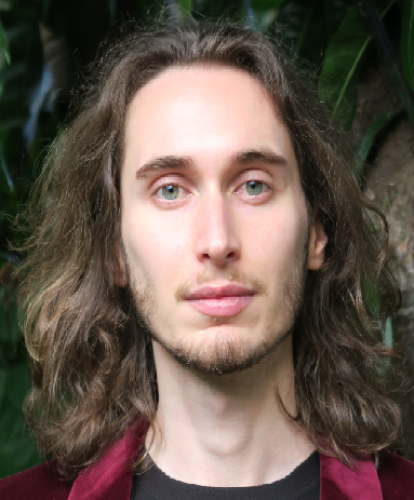
Will Visconti
Will Visconti completed his PhD jointly between French Studies & Italian Studies at the University of Sydney. His first book, Beyond the Moulin Rouge: The Life & Legacy of La Goulue (University of Virginia Press) was published in 2022, and his next project, Laughter: A Documentary History, 1800-1920 (Routledge) is due out in early 2027. He is currently working on a monograph entitled The Material Culture of Nineteenth-Century Urban Sex Work: A Transnational Study, for which he will spend 3 months in Paris thanks to the Virginia Spate Research Fellowship.
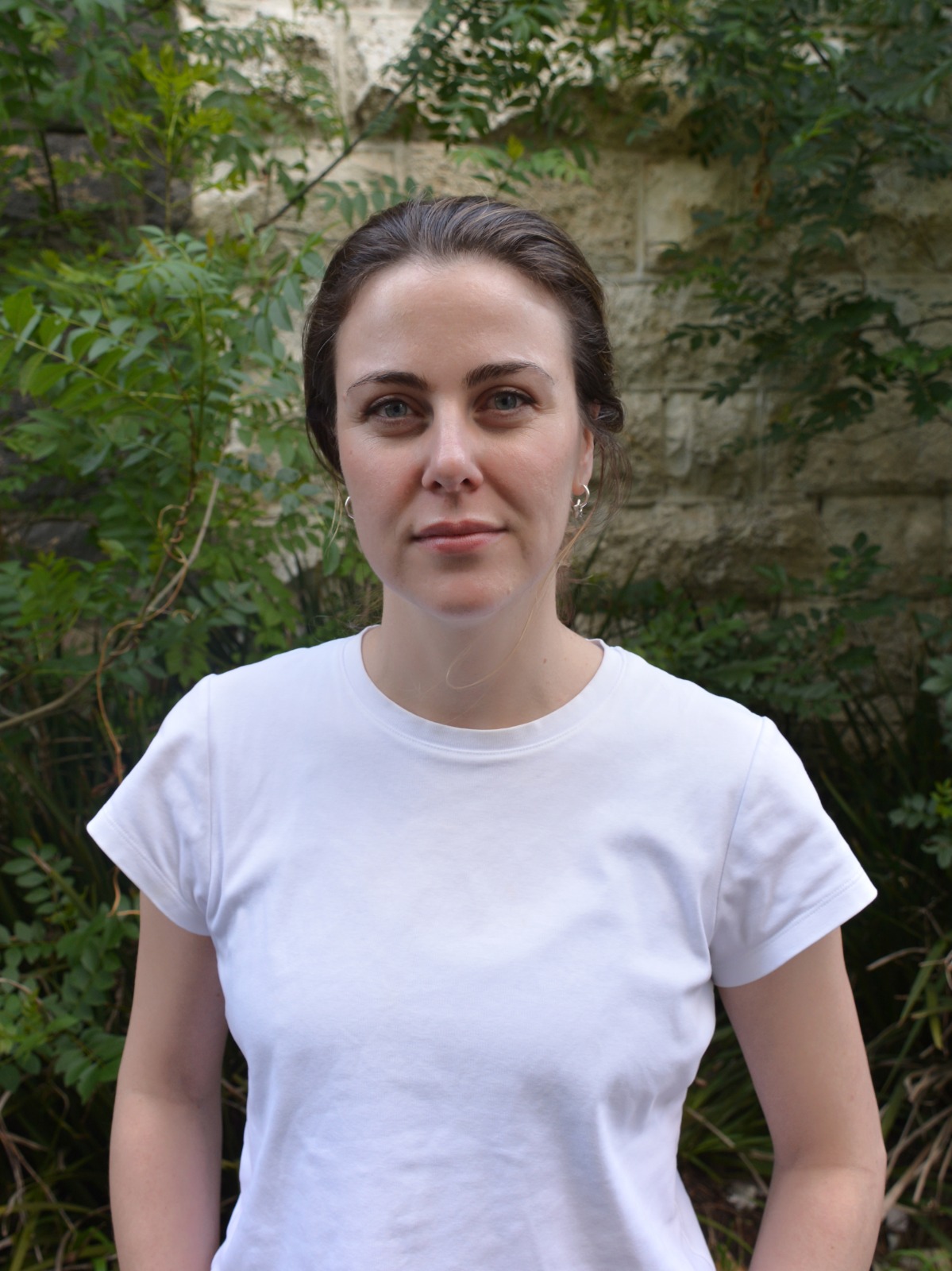
Suzannah Henty
Dr Suzannah Henty is an early-career art historian and Hugh Ramsay Postdoctoral Fellow at the University of Melbourne. In 2025, she was jointly awarded her PhD from the University of Melbourne and the École des Hautes Études en Sciences Sociales. Her research, situated at the intersection of Australian art history, decolonial theory, and national identity, has been published in Radical Philosophy, Index Journal, The Funambulist, Jerusalem Quarterly, and Kunstlicht.